Papers right first time.
The product is perfect. Then one number on one certificate stops the truck at the border. We fill every paper from the order, once, and check every number against every other before anyone signs.
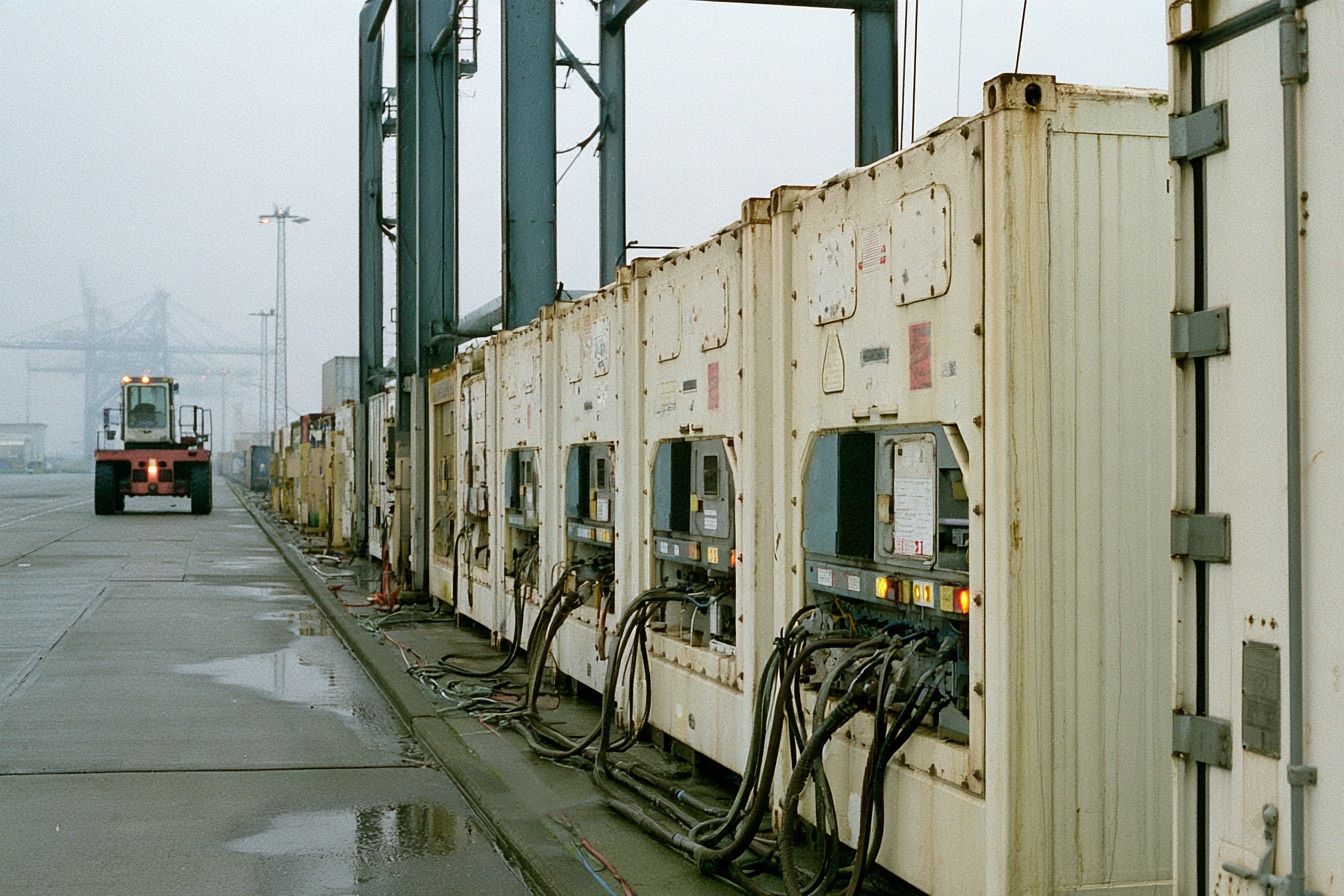
You know this truck.
One truck, four papers, the same numbers typed into each. Can you spot it? Neither could anyone at five o’clock on a Friday.
- Health certificateLot1140one digitNet21,040 kg
- CMRLot1104Net21,040 kg
- Packing listLot1104Net21,040 kg
- InvoiceLot1104Net21,040 kg
- The plant
The truck is booked for six. The certificate needs the vet’s signature, and the vet leaves at five.
- The office
Someone types the lot numbers from the packing list into the certificate, then the CMR, then the invoice. One digit goes wrong.
- The border
The officer checks the lot on the box against the paper. They do not match.
- Still at the border
The truck waits, cold, paying by the hour. You spend the morning chasing a corrected certificate.
The product was fine. The paper was not.
The same truck, the same four papers.
Your vet and your quality team still check and sign. They just stop typing the same number four times.
- Health certificateLot1104Net21,040 kg
- CMRLot1104Net21,040 kg
- Packing listLot1104Net21,040 kg
- InvoiceLot1104Net21,040 kg
- Filled once, from the order and the stock
- Lots, weights and temperatures checked across all four
- Approval numbers checked against the register
- The papers each country needs, listed with the order
- Ready to sign hours before loading
It adds up, quietly.
Take a business shipping about 80 trucks a month. Your numbers will be different, so work out your own below.
50 hours
a month, typing the same numbers
The same lots, weights and dates, into four or five papers for every truck.
One digit
is enough to stop a truck
A wrong lot number or weight holds the load at the border, at temperature, paying by the hour.
A claim
weeks later
A buyer who finds the paper wrong can refuse the load, or pay less for it.
Your numbers, not ours.
Move the three sliders to match your business. The result is a rough guide, not a promise: in the first weeks we look at your real papers and where they went wrong.
We assume makebetter takes about 70% of the paper time and stops 80% of the problems. An hour is €30, and a held or refused load about €2,000.
Hours back
37 a month
And about 23 trucks a year not held up by a paper
Worth a year
€59,520
in office time, and in loads not held, refused or discounted
And fewer trucks held up by a paper
And about {n} truck a year not held up by a paper
And about {n} trucks a year not held up by a paper
Currency
A person signs. Always.
 Your vet and your quality team make every call.
 Only a person signs and stamps.
 You decide what goes to the buyer, and when.
 Nothing is sent in your name until you say so.
One month of papers is enough.
No project plan, no new system to learn. Your templates, your vet and your systems stay where they are.
- 01
Send us last month’s papers
A handful of shipments, as they went out. Thirty minutes on a call.
- 02
We find the gaps
Where the same number is typed twice, and where it went wrong. In days, not months.
- 03
It goes live
In weeks, filled from your own orders. Then we show you the hours and the held trucks it saved.
On our own desk, the papers are ready before the truck arrives. The driver does not wait, and the border does not either.
Send us one month of papers.
Thirty minutes on a call. We will show you where the same number is typed twice, and what that costs you.